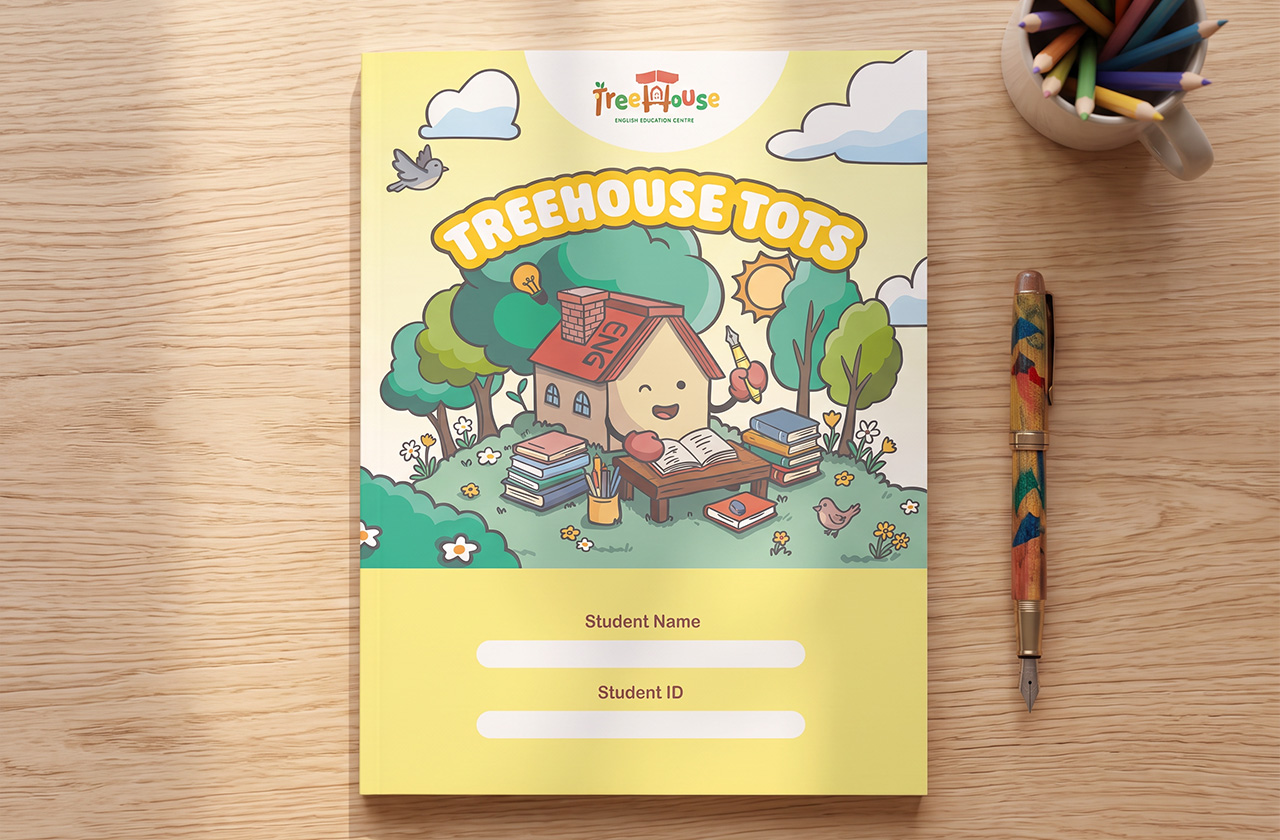
Treehouse Tots

3-4 years old
5-6 students
55-60 mins

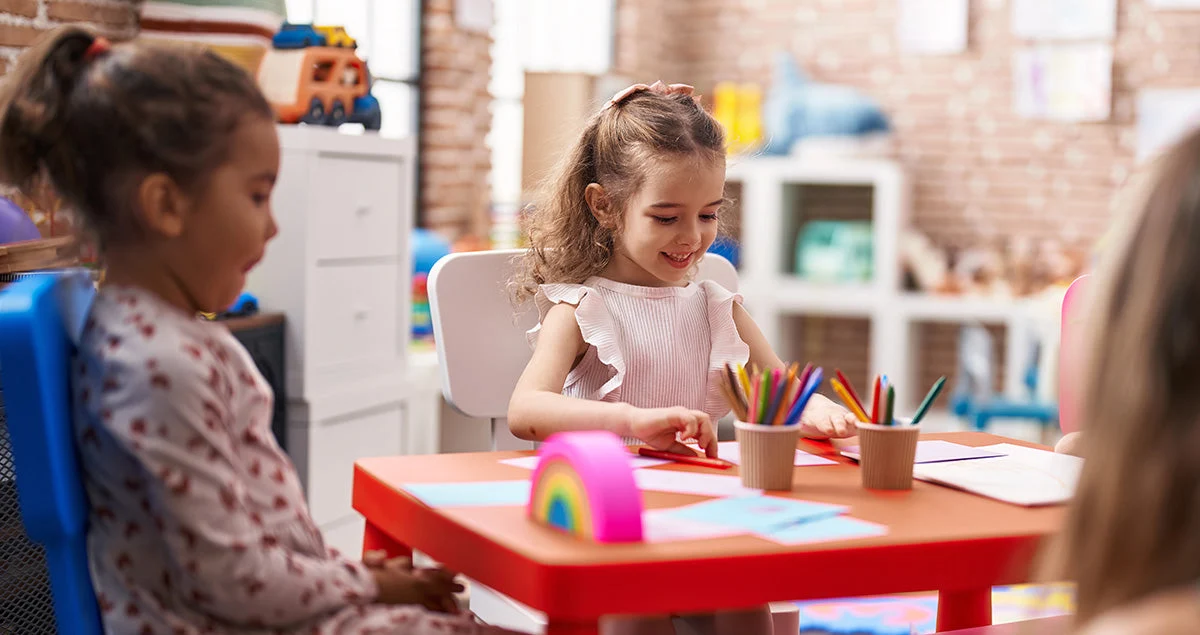
This is an early learning programme designed for preschoolers to build lifelong learning skills. We help little learners grow in confidence while developing social skills, motor skills and independence in a warm English-rich environment. Hands-on activities such as tracing and colouring help strengthen coordination and fine motor skills, while interactive play, games and songs encourage language development. Through playful group activities and guided tasks, children learn to share, cooperate and follow simple instructions in a safe, supportive setting while naturally absorbing the language. We prepare children not only for academic success but also everyday skills they need to thrive in school and beyond.
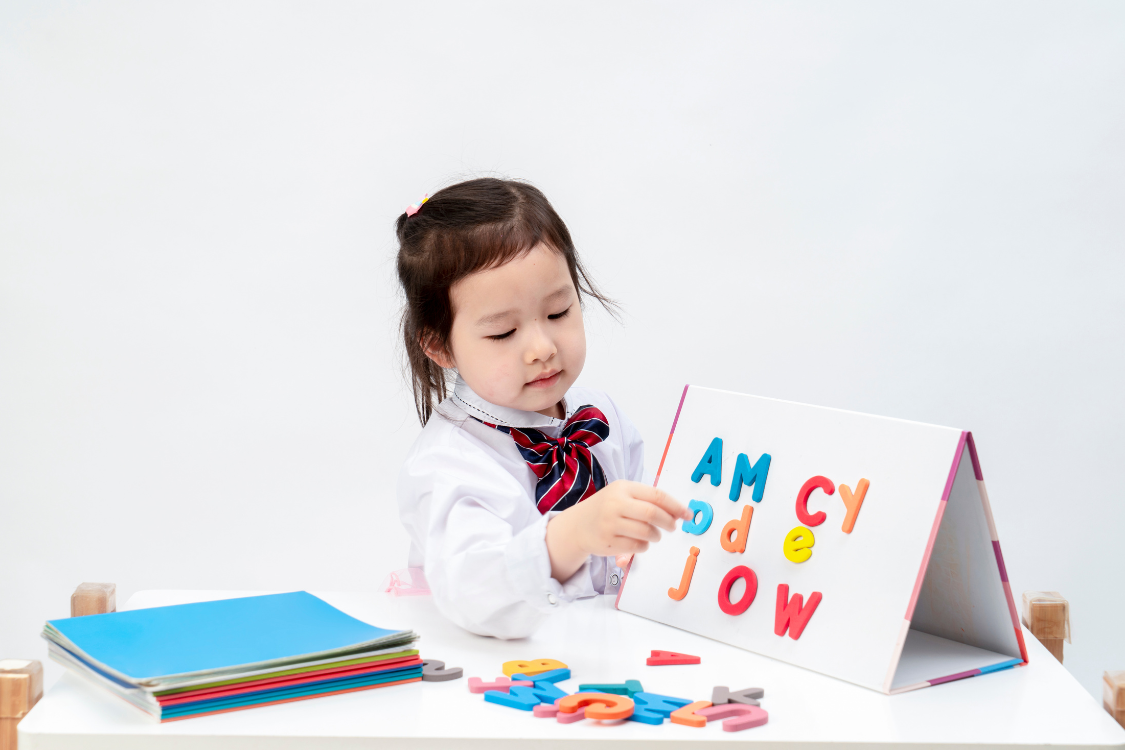
Treehouse Tots

Course Information

What are fine motor skills?

Fine motor skills are the small, precise movements we make using the short muscles in our hands, fingers, wrists, toes, and eyes. They are important because they allow us to handle daily self-care tasks, do school and work tasks, and grow our independence and confidence.

✏️   Why is it important for children?

  • Daily Independence: Lets children feed, dress, and clean themselves without help.
  • School Success: Needed to hold a pencil, use safety scissors, and turn book pages.
  • Brain Growth: Boosts focus, problem-solving, and critical thinking skills.
  • Self-Esteem: Helps children feel capable when they finish tasks on their own.
What are fine motor skills?

What are social skills?

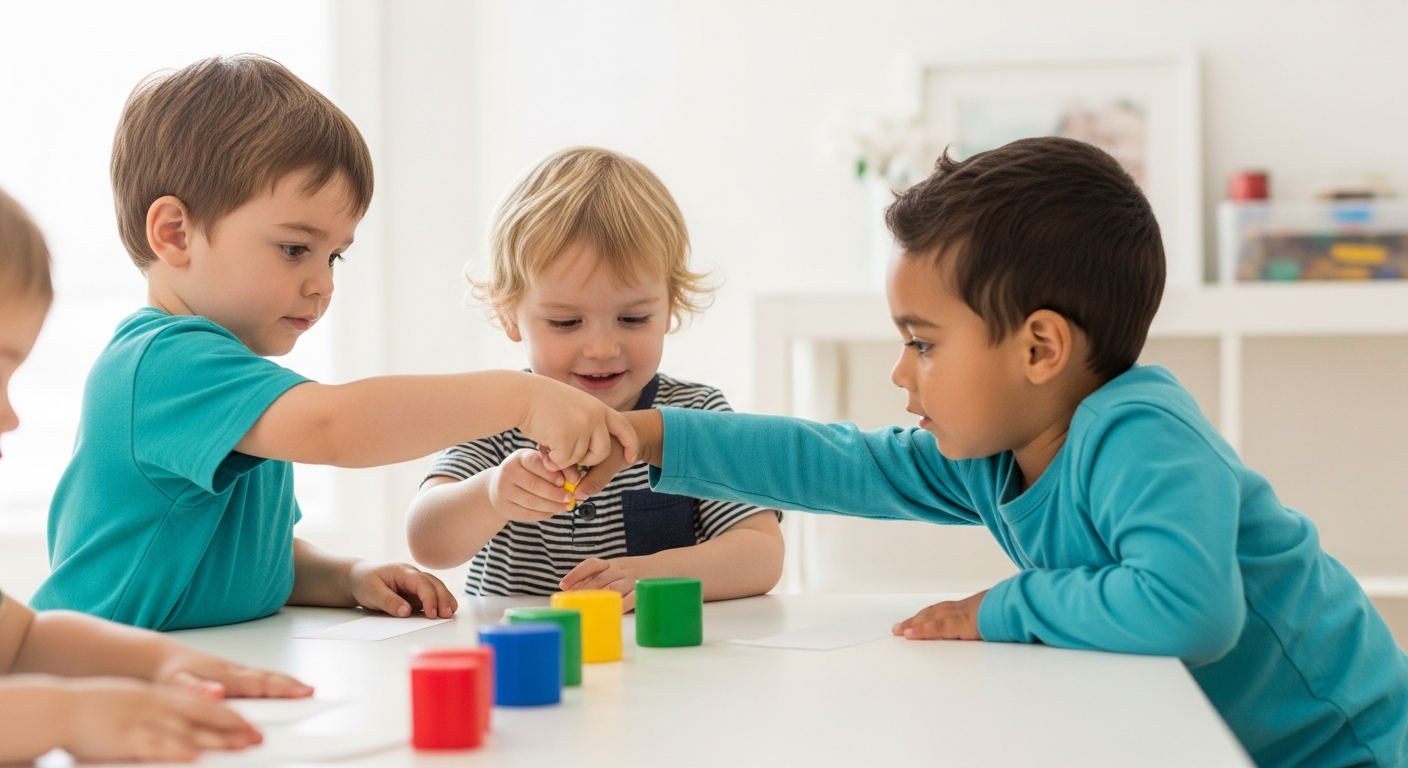
Social skills are the verbal and nonverbal tools people use to communicate, build relationships, and interact with others. They include active listening, empathy, body language, and conflict resolution. These abilities are vital because they form the foundation for personal well-being, strong friendships, and career success.

?  Why is it important for children?

  • Building Relationships: Children learn to share, take turns, and form meaningful, lasting friendships.
  • Effective Communication: Kids practice both verbal and non-verbal cues, like making eye contact, active listening, and using an appropriate tone.
  • Conflict Resolution: Children discover how to handle disagreements peacefully, negotiate compromises, and offer sincere apologies.
  • Emotional Growth: Interacting with others fosters empathy, self-control, and a stronger sense of self-confidence.
  • Academic Success: Teamwork and the ability to follow directions help children engage productively in classroom settings.
What are social skills?

Lesson Guide

Section
Information
1. Letter
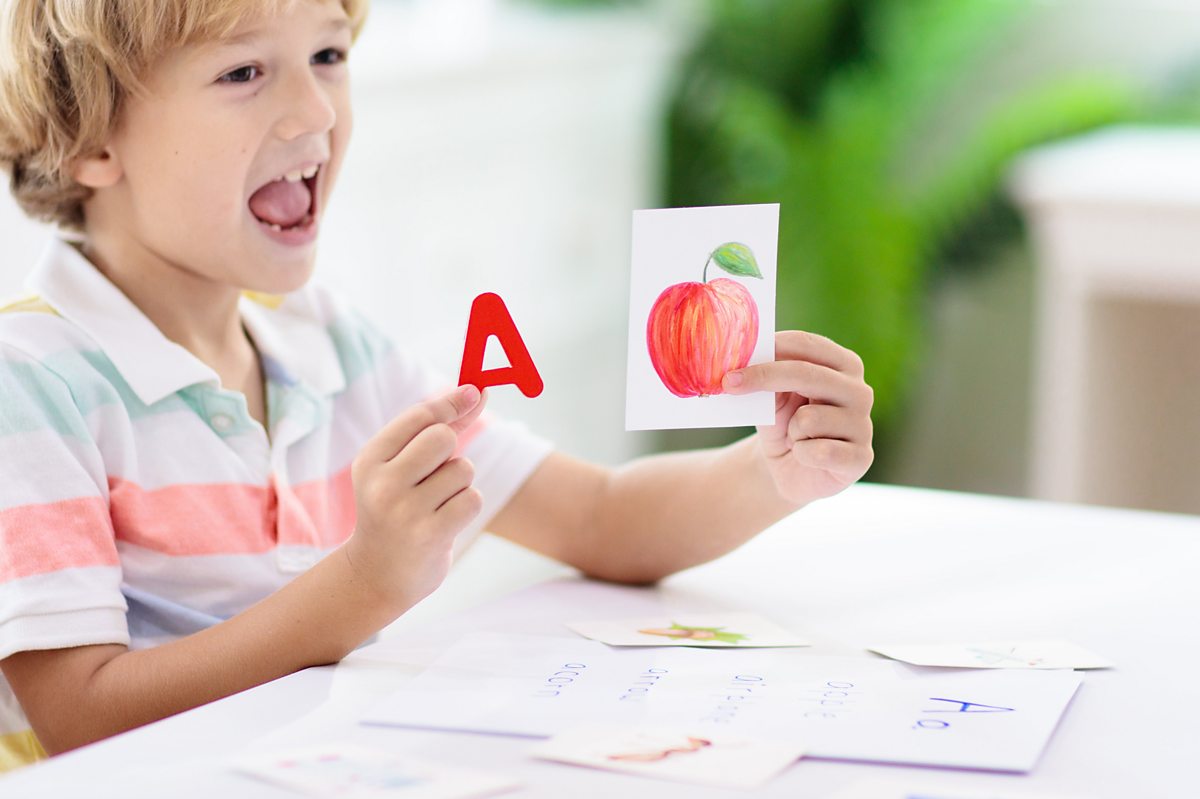
Introducing the capital/lowercase letter.
2. Letter Formation
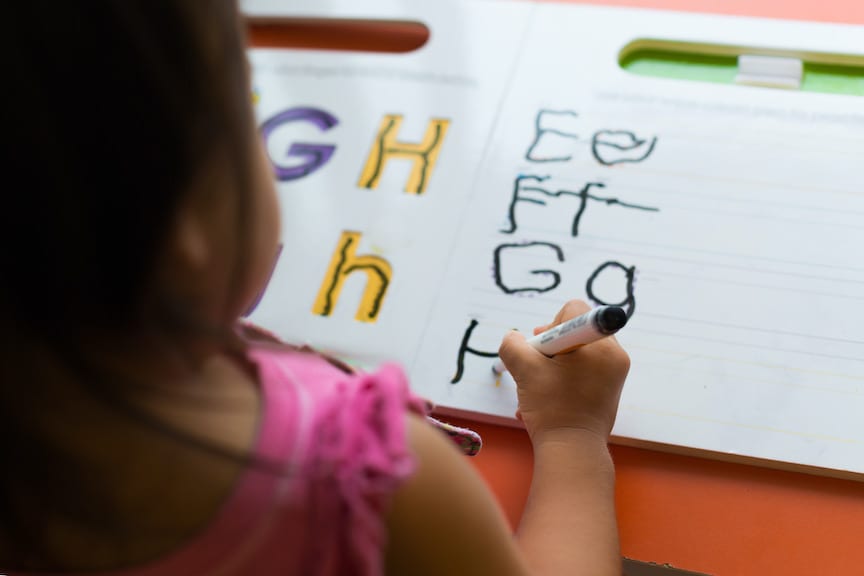
Practice writing strokes in the air, then with a pencil.
3. Sing-Along
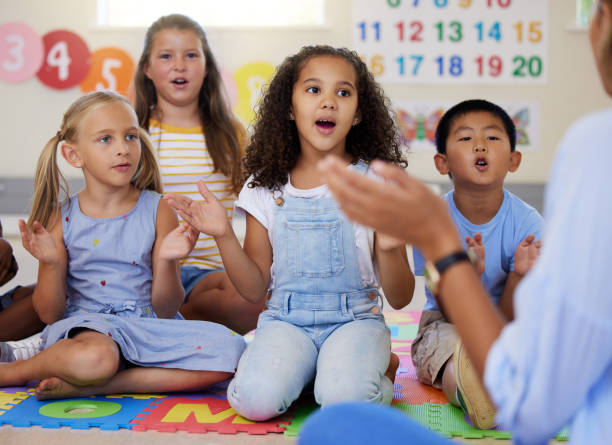
Sing the song with the class!
4. Vocabulary
Practice common starting words.
5. Hands-on Activity
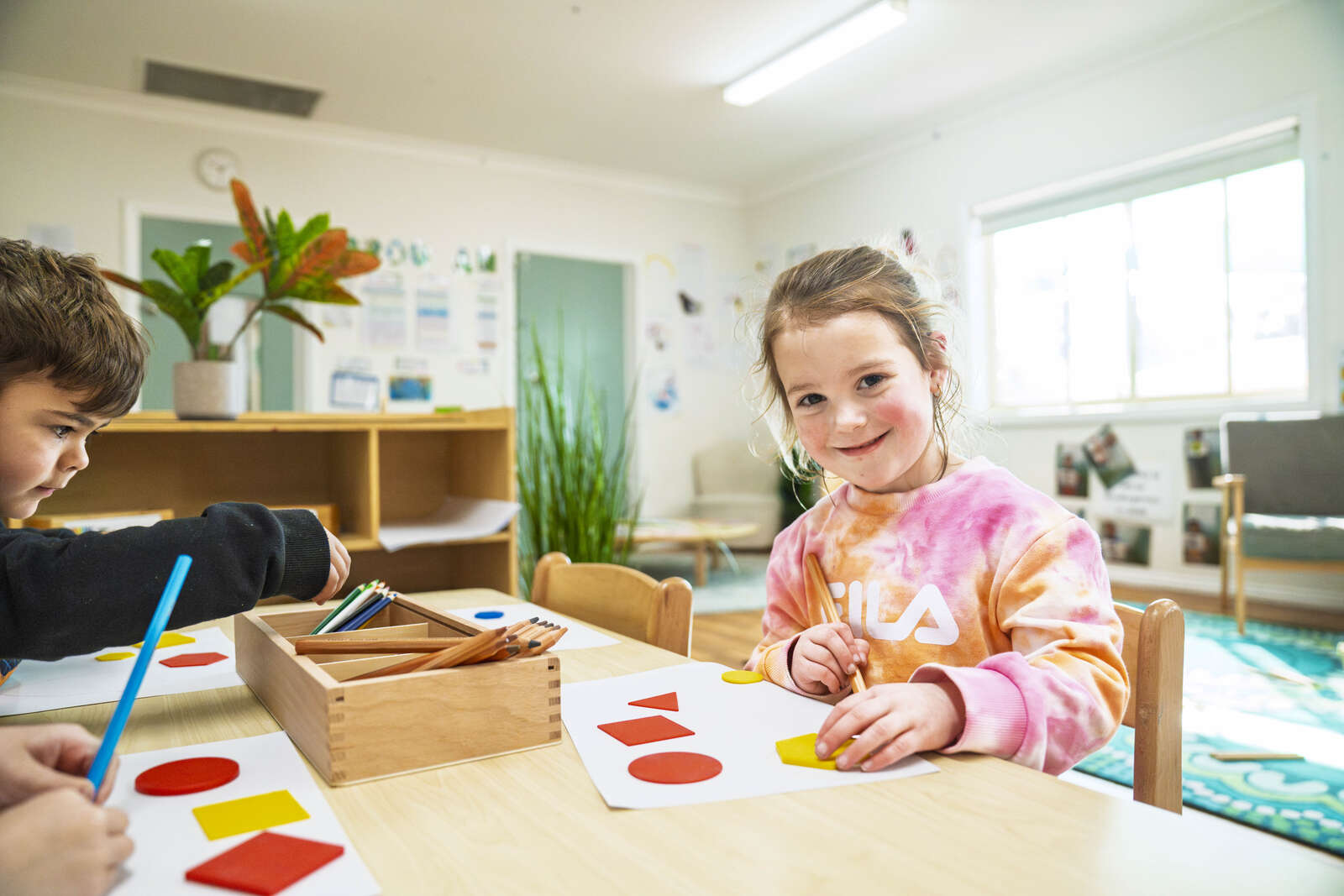
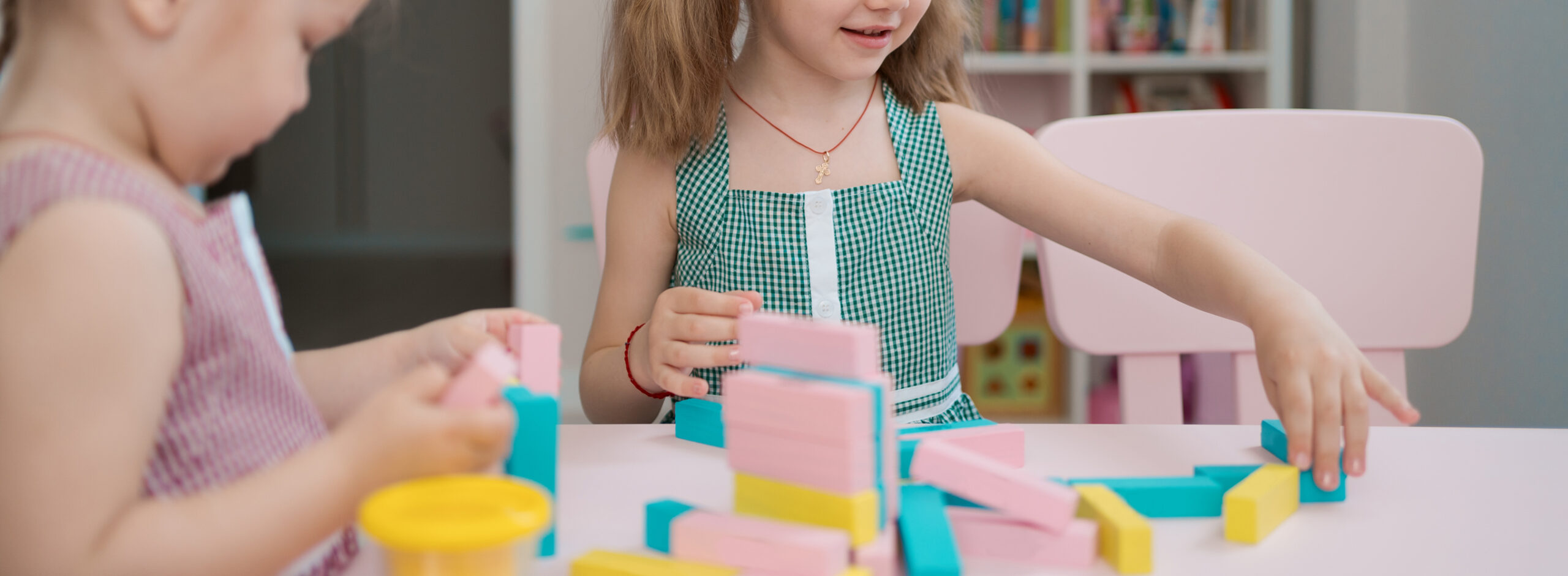
Moving and building strengthen fine and gross motor skills.
6. Homework
Continue to practice at home!
Lesson Guide

Course Features

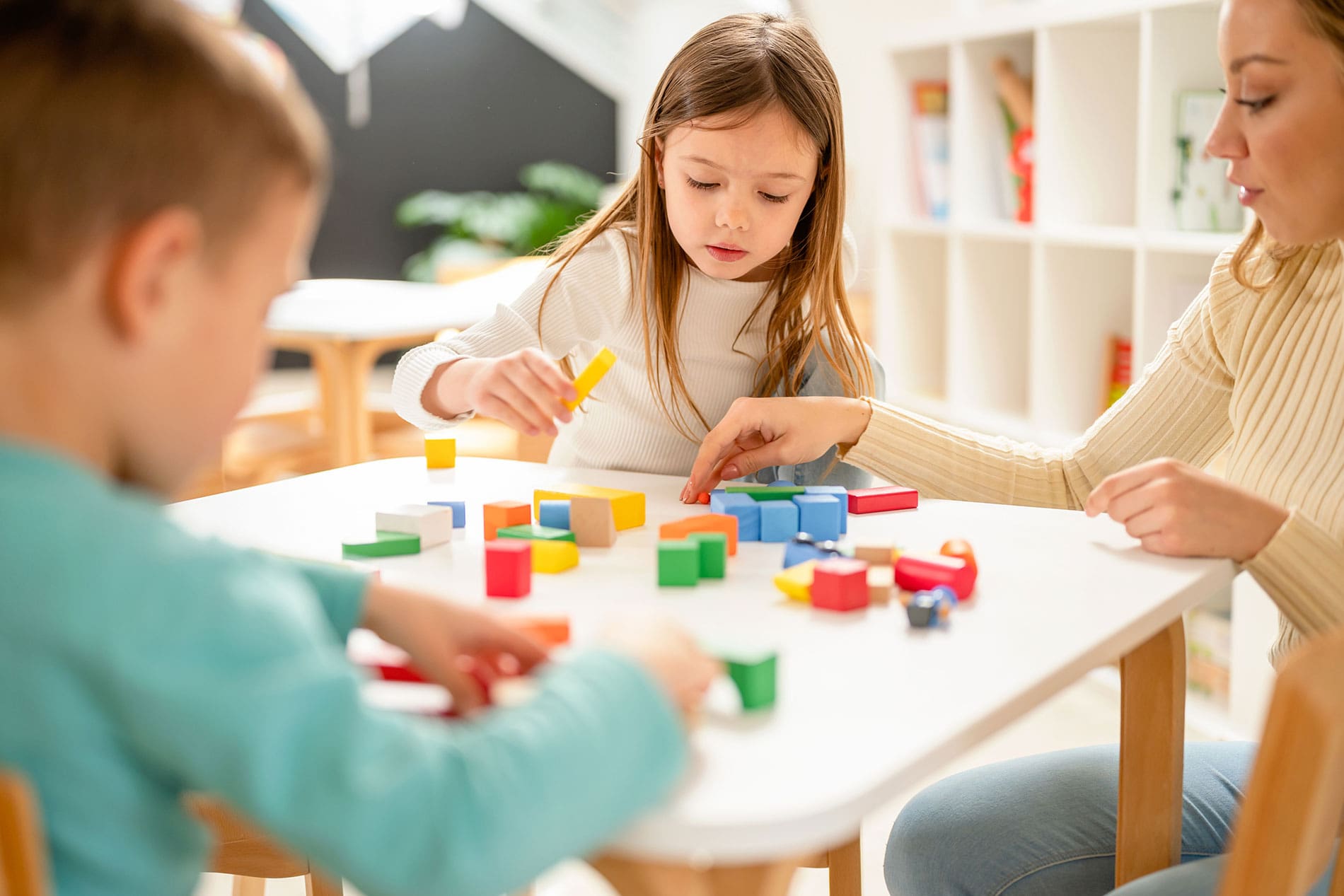
Hands-on Activity

Hands-on Activity

Turn abstract ideas into real experiences!
Sing-Along

Sing-Along

Accelerate language growth, strengthen memory, and build emotional bonds! Sharing songs helps kids practice new sounds, improves social coordination, and creates a joyful foundation for lifelong learning.
Vocabulary

Vocabulary

Learning vocabulary is the foundation of effective communication and learning in the early years.
Letter Formation

Letter Formation

Helping children develop fine motor control, hand–eye coordination, and muscle memory.
Fine Motor Skills

Fine Motor Skills

Building the small muscle control in a child's hands and fingers are needed for daily independence, academic success, and self-care.
Joyful Learning Environment

Joyful Learning Environment

Immerse your child in a safe, joyful learning English environment to boost brain function, emotional safety, and confidence.

FAQs

How will this course help my child prepare for future learning?
Rather than focusing solely on traditional academics, we focus on the whole child. By nurturing independence, emotional regulation, and curiosity early on, your child learns how to learn. This foundation makes future transitions—like starting primary school—much smoother and far less overwhelming.
My child doesn't speak much English yet. Will they struggle?
Not at all! Our environment is intentionally immersive yet gentle. Children pick up language naturally through guided play, songs, routines, and peer interactions. Our caring teachers use visual cues and supportive communication to ensure every child feels safe, understood, and included, regardless of their starting language level.
How do you help children who have separation anxiety?
Separation anxiety is a completely normal part of early childhood development! We work closely with parents to create a gentle, gradual transition process. Our warm teachers are skilled at validating feelings, offering comfort, and introducing engaging activities to help little ones settle in with confidence at their own pace.
What does a typical session look like at Treehouse Tots?
Each session is 55-60 minutes. It is thoughtfully balanced between structured group routines and hands-on, play-based learning. Children engage in sensory exploration, creative arts, movement activities for motor skills, storytime, and cooperative play designed to build social confidence.
How can I track my child's progress?
We believe parents are our partners in learning. We provide regular updates on your child's milestones, social development, and daily wins, so you can celebrate their growth and reinforce learning at home.