Treehouse Chat

4-6 years old
5-6 students
55-60 mins

Our customised course has been designed for English beginners who want to build confidence and fluency by being fully immersed in an English-rich environment. The course focuses on developing everyday vocabulary and conversational skills that children can use naturally in daily life. Through interactive activities such as role-play and guided dialogues, learners practise the words and phrases most used in real conversations – greetings, asking questions, expressing needs and sharing ideas. The immersive setting allows learners to absorb English in context, helping them develop clear pronunciation and the confidence to communicate effectively. Treehouse Chat is more than a language class – it is a stepping stone towards everyday communication, giving learners the tools they need to express themselves in English both inside and outside the classroom.


Treehouse Chat

Course Information

Why is CHAT important?

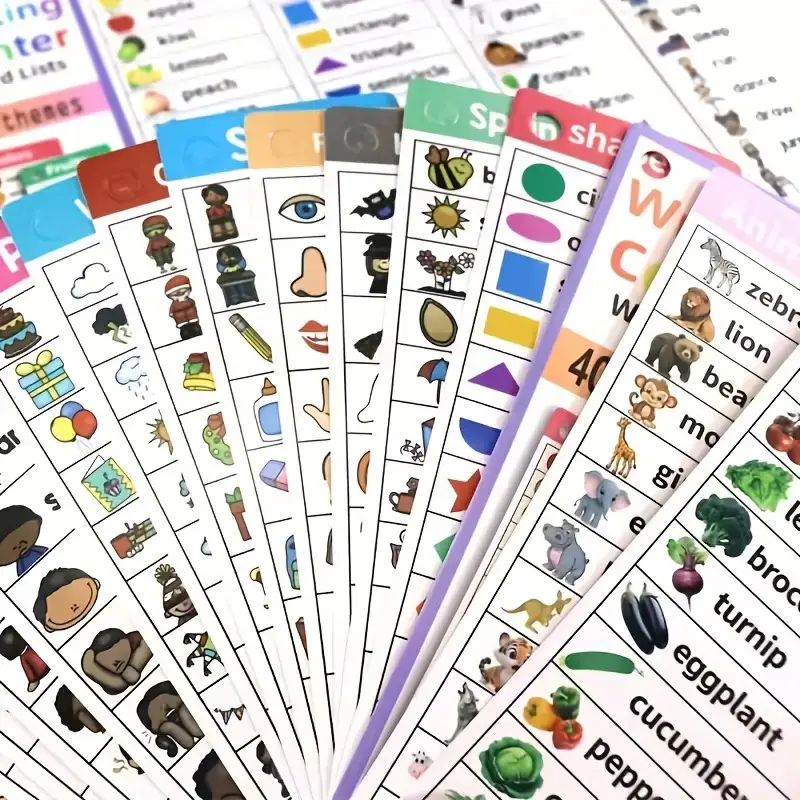
Everyday vocabulary themes organise learning into familiar, high-utility topics—like family, colours, weather, and animals—to give children the foundational words they need to navigate their world. By grouping basic words into logical categories, children can make instant, real-world connections, transforming abstract sounds into meaningful tools for daily communication.

Why is CHAT important?

Lesson Guide

Section
Information
1. Key Phrase / Key Words
Children will learn 4-5 new keywords relating to the topic of the lesson along with a Key Phrase e.g. "This is a".
2. Role Play
Children will be given a chance to speak to other children or the teacher to practice talking about today's topic.
3. Writing
Children are given the opportunity to practice writing on the line, including freehand writing.
4. Activity
Various activities in the book are given to practice today's key words.
5. Dictation
2 words will be chosen for children to spell out without looking.
6. Homework
Children can practice further at home with the homework given for this lesson.
Lesson Guide

How does it help my child?

? Enhances Cognitive and Contextual Mapping
  • Builds schema: Thematic learning connects new English words to concepts the child already understands in their native language or daily life.
  • Encourages deeper sorting: Children learn to compare, contrast, and sub-categorise objects (e.g., distinguishing between farm animals and zoo animals).
?️ Accelerates Immediate Communication
  • Boosts functional speech: Themes like “Classroom Objects” or “Feelings” teach words kids can use immediately to voice their needs and interact with peers.
  • Provides structural support: Thematic units allow teachers to use repetitive sentence frames (e.g., “I see a [colour] [animal]“) to build complete sentences easily.
How does it help my child?

Why choose our programme?

? Predicts Future Literacy and Academic Success
  • Predicts reading comprehension: Studies show that a child’s vocabulary size in kindergarten is a direct predictor of their future reading tracking abilities and school achievement.
  • Prepares for complex texts: Mastered everyday words allow children to allocate mental energy toward harder academic words later on.
? Promotes Social-Emotional and Holistic Growth
  • Aids emotional regulation: Themes centred around feelings help young learners label their emotions (e.g., “scared,” “hungry”), which reduces behavioural outbursts.
  • Supports daily routines: Understanding vocabulary for weather, clothing, and time allows children to successfully navigate transitioning through school schedules independently. 
Why choose our programme?

Course Guide

Week
Information
Weeks 1-13
The Basics & All About Me
Weeks 14-26
Exploring the World
Weeks 27-39
Daily Routines & Transport
Weeks 40-52
Descriptions & Social Language
Course Guide

Course Features

Treehouse Chat Series

Treehouse Chat Series

The in-house designed Chat workbooks have been designed to teach and reinforce key phrases and key words.
Role Play

Role Play

Letting students step into real-world scenarios, practice social skills, and build deep empathy.
Activities

Activities

Interactive learning shifts students from passive listeners to active participants, boosting engagement, memory retention, and critical thinking through hands-on collaboration

FAQs

My child is a complete beginner and very shy speaking English. Will this course work for them?
Absolutely! Treehouse Chat is designed with beginners and shy speakers in mind. Our warm, immersive environment encourages children to express themselves without fear of making mistakes. We focus on building confidence first, using interactive activities and supportive guidance so speaking English feels natural and stress-free.
How is Treehouse Chat different from a standard English grammar or vocabulary class?
Instead of memorising word lists or drill sheets, children learn English through practical, real-life context. We focus on active communication—teaching functional phrases, everyday vocabulary, and conversational flow that children can immediately use at home, at school, and with friends.
How does full English immersion work if my child doesn't understand everything yet?
Full immersion doesn't mean leaving children confused! Our experienced teachers use visual aids, body language, context clues, and supportive framing to make meaning clear. Children absorb the language naturally—just like they did with their first language—building strong listening comprehension alongside their speaking skills.
What kind of topics and vocabulary will my child learn?
We focus on practical, everyday topics that matter to children—such as describing their day, sharing interests, asking questions, expressing feelings, and socialising with peers. The vocabulary and expressions taught are immediately applicable to real-world situations.
How soon will I start seeing progress in my child's English speaking?
Confidence usually comes first! Within a few sessions, parents often notice their children becoming less hesitant to use English words and phrases at home. As they become comfortable in the immersive environment, you'll see them using fuller sentences and initiating conversations more naturally.